
The psychology of risk Understanding the mental impacts of gambling
The allure of risk and uncertainty
Gambling captivates individuals with its inherent risk and the uncertainty of potential outcomes. The thrill of wagering money or assets creates an adrenaline rush that many find irresistible. This phenomenon can be traced back to our evolutionary biology, where risk-taking played a crucial role in survival and resource acquisition. Today, this instinct manifests in various forms, from casino games to sports betting, attracting millions worldwide. As we explore ways to enhance your gaming experience, consider the benefits of credit card casinos that facilitate secure transactions.

The excitement associated with gambling often overshadows its potential downsides. This allure can create a distorted perception of risk, leading individuals to believe that they have a better chance of winning than they actually do. Cognitive biases, such as the illusion of control, can further exacerbate this tendency, making it difficult for players to recognize the true odds against them. Understanding these psychological underpinnings is essential for anyone engaging with gambling.
The role of cognitive biases in gambling
Cognitive biases play a significant role in shaping how individuals perceive risk in gambling. One common bias is the gambler’s fallacy, which suggests that past events influence future outcomes in random games. For instance, a player may believe that after a series of losses, a win is imminent, leading them to take greater risks. This flawed logic can result in significant financial losses and emotional distress.
Moreover, the availability heuristic causes players to overestimate their chances of winning based on recent experiences or media stories of big wins. This skewed perception can create a false sense of confidence, pushing individuals to gamble more than they can afford. Recognizing these biases is crucial for developing a healthier relationship with gambling and mitigating its mental impacts.
The impact of gambling on mental health
Engaging in gambling activities can significantly affect an individual’s mental health. The thrill of winning can lead to temporary feelings of euphoria, but the consequences of losing can be severe. Many gamblers experience anxiety, depression, and even feelings of hopelessness when faced with financial ruin. The emotional rollercoaster of gambling can take a toll on self-esteem and overall well-being.
Additionally, problematic gambling can lead to social isolation as individuals withdraw from relationships and responsibilities to pursue their next wager. This isolation can exacerbate existing mental health issues, creating a vicious cycle that is difficult to break. Seeking help and support is essential for those who find themselves struggling with the psychological burdens of gambling.
Strategies for responsible gambling
Understanding the psychology of gambling can empower individuals to engage in responsible gambling practices. One effective strategy is setting strict budgets and sticking to them, which helps mitigate the risk of financial losses. Players should also be mindful of the time spent gambling, ensuring that it does not interfere with daily responsibilities and relationships.
Additionally, educating oneself about the odds of various games can promote more informed decision-making. Knowing that the house always has an edge can foster a more realistic view of gambling, reducing the likelihood of falling prey to cognitive biases. Building a support network and seeking professional help when necessary are also vital components of responsible gambling.
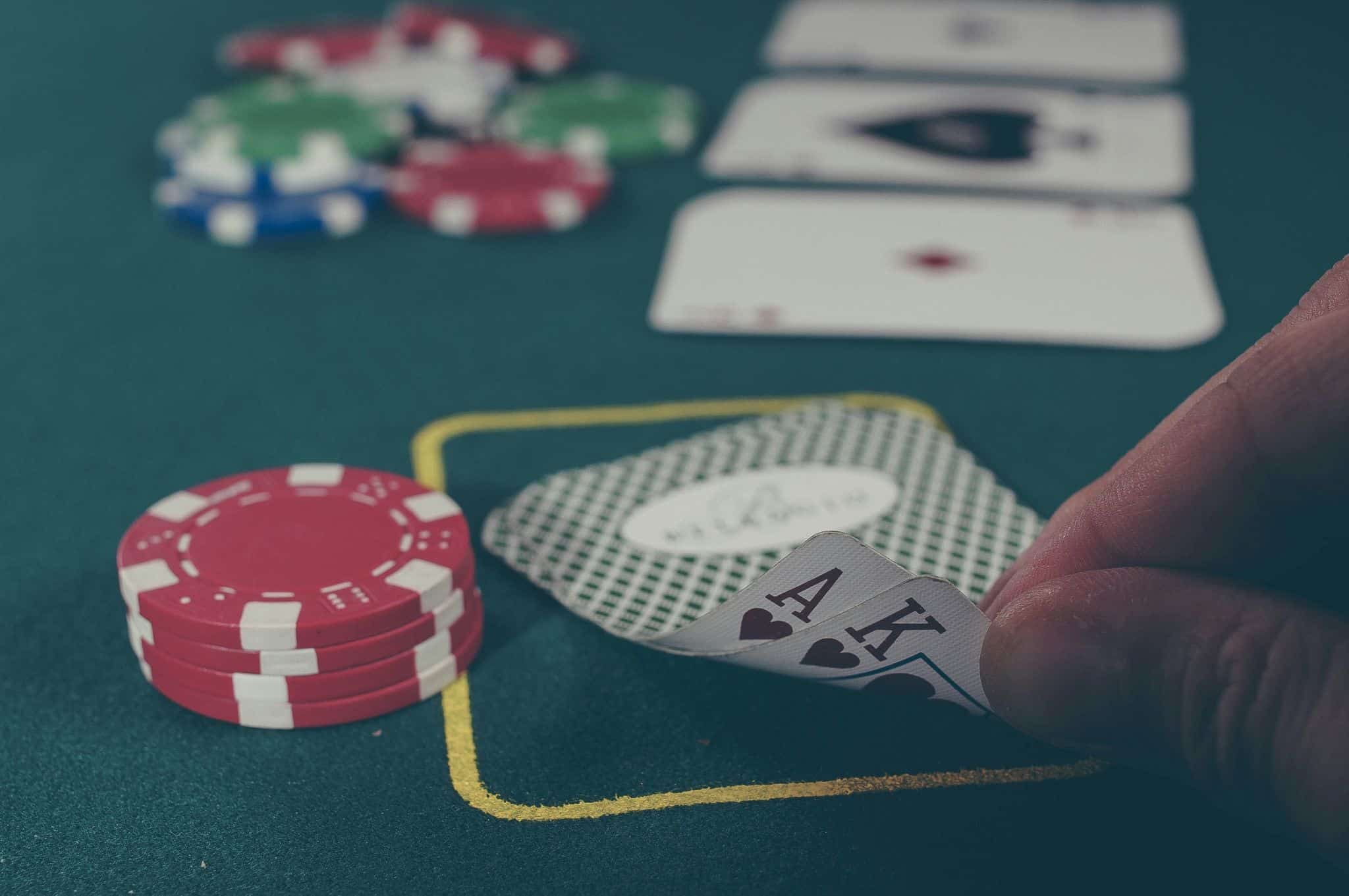
Explore resources for gambling awareness
For those seeking to understand the complexities of gambling and its psychological effects, numerous resources are available. Websites dedicated to gambling awareness offer valuable information, including tools for self-assessment and links to support groups. Engaging with these resources can help individuals make informed choices and maintain a healthier relationship with gambling.
Ultimately, understanding the mental impacts of gambling is crucial for promoting awareness and encouraging responsible gambling practices. Whether you are a casual player or a frequent gambler, having access to the right information can make all the difference in navigating this complex landscape.